Spring Brick Masonry Repair Ideas From Local Service Providers
Spring is the perfect time to plan brick masonry repairs with trusted local contractors who can enhance your property's durability and curb appeal.
Spring is often considered an ideal time to address brick masonry repairs because the season signals a period of renewed outdoor activity and property maintenance. As the weather warms and snow melts away, property owners tend to assess the condition of their exteriors, noticing any damage or deterioration that may have occurred over the winter months. This seasonal shift encourages planning for repairs or restoration work to ensure the stability and appearance of brick structures, such as walls, facades, or walkways. Engaging with local contractors during spring allows property owners to prepare for the upcoming seasons, ensuring that brickwork remains durable and visually appealing as outdoor conditions become more favorable for construction and restoration projects.
Brick masonry repair services typically encompass a range of tasks aimed at restoring the integrity and aesthetic of brick structures. Common services include repointing, which involves renewing the mortar joints to prevent water infiltration and structural weakening; replacing damaged or crumbling bricks; and cleaning surfaces to remove dirt, moss, or efflorescence. In some cases, repairs may extend to addressing foundational issues or stabilizing walls that have shifted or settled over time. Skilled service providers evaluate the condition of existing brickwork and recommend appropriate solutions to maintain the longevity of the structure, whether it’s restoring historic facades or fixing cracks and deterioration on residential or commercial properties.
When comparing local contractors for brick masonry repair, property owners can consider several factors to identify the most suitable service providers for their needs. It’s helpful to review the scope of services offered, ensuring they cover the specific repairs required. Checking for experience in working with different types of brick and masonry styles can also provide insight into the contractor’s expertise. Additionally, seeking out reviews or testimonials from previous clients can offer perspectives on the quality of work and reliability. Consulting multiple local options allows property owners to ask questions, compare approaches, and select service providers who demonstrate a clear understanding of the project scope, ensuring that the chosen professionals are well-equipped to handle the work effectively.
Compare local contractors' expertise and experience to find the best fit for your spring brick masonry repair needs.
- Assessing Damage - Local contractors evaluate the extent of masonry deterioration to determine appropriate repair methods.
- Surface Cleaning - Service providers remove dirt, moss, and stains to restore the appearance of brick surfaces.
- Repointing - Professionals replace deteriorated mortar joints to strengthen and stabilize brick structures.
- Structural Repairs - Experienced artisans address cracks and damaged areas to ensure long-term durability.

Before comparing options, clearly describe your brick masonry repair project to help local contractors provide suitable solutions.
- Inspect mortar joints for cracks or deterioration that may need repointing. - Look for signs of crumbling or missing mortar that can compromise the stability of brickwork.
- Examine bricks for spalling, chipping, or efflorescence indicating water damage or aging. - Identify areas where bricks are damaged or show mineral deposits that could require repair.
- Check for bulging or bowing walls that suggest structural movement or foundation issues. - Assess the overall alignment and stability of brick surfaces for potential reinforcement needs.
- Look for gaps or voids between bricks that may allow water infiltration or pest entry. - Detect areas where sealing or filling might be necessary to prevent further damage.
- Evaluate the condition of flashing and sealants around brickwork for signs of deterioration or leaks. - Ensure protective barriers are intact to prevent moisture intrusion.
- Assess the overall aesthetic appearance of brick surfaces for discoloration or unevenness that may benefit from cleaning or restoration. - Consider whether surface cleaning or repointing can improve the visual appeal of brick features.
Use this as a springboard to explore how local contractors can help with brick masonry repairs and planning.
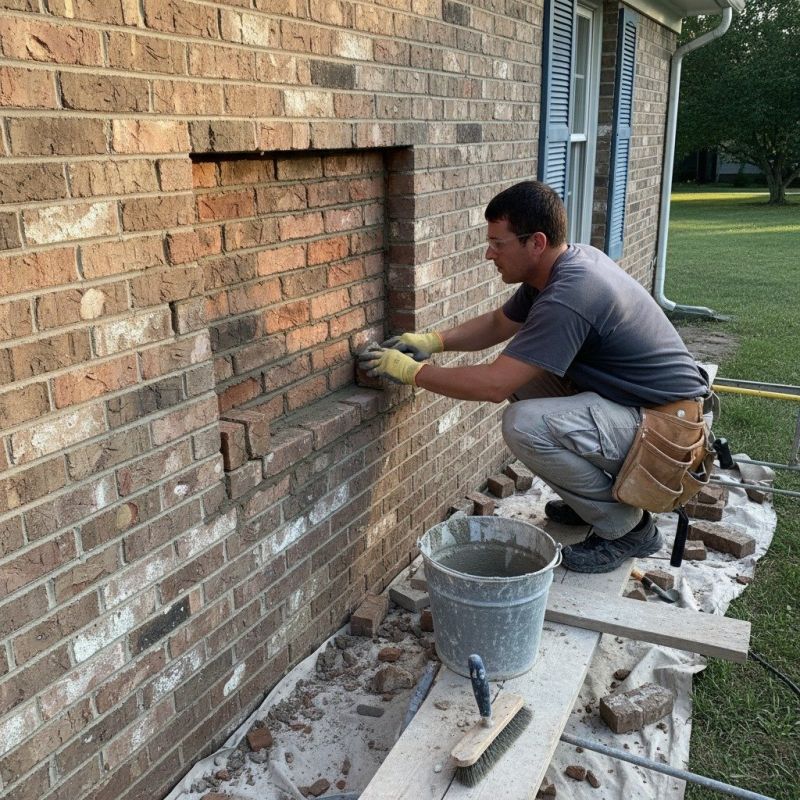


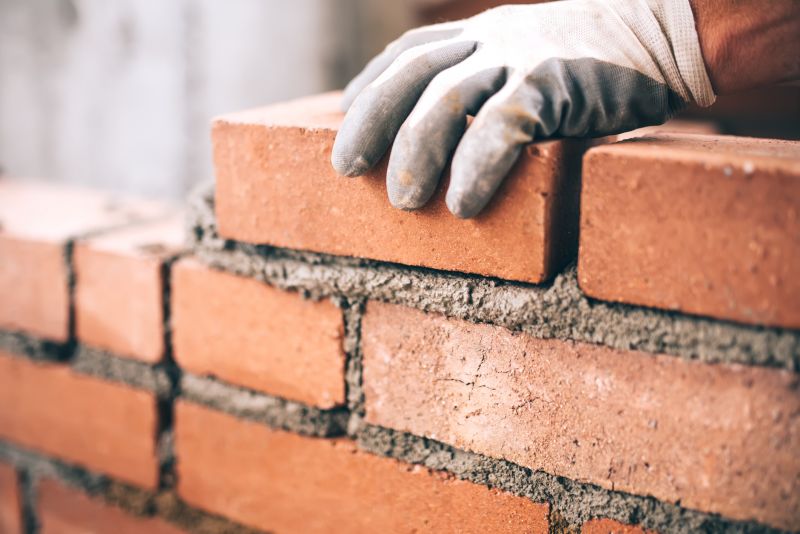
Prioritize your repair needs and compare local contractors to find the best fit for your spring project.
- Brick Masonry Restoration - Spring is an ideal time to assess and repair damaged or deteriorated brickwork to enhance curb appeal. Local contractors can help restore the structural integrity and appearance of masonry features.
- Repointing Brick Joints - Warmer weather makes it easier to remove old mortar and apply fresh joint material, improving stability and preventing water infiltration. Service providers can handle the repointing process efficiently.
- Crack and Damage Repair - As temperatures rise, addressing cracks or chips in brick surfaces can prevent further deterioration. Experienced local pros can evaluate and repair these issues to extend the lifespan of masonry.
- Cleaning and Surface Refresh - Spring cleaning of brick surfaces can restore color and texture, removing dirt, moss, or stains. Local contractors offer cleaning methods that safely refresh masonry without damage.
- Sealing and Waterproofing - Applying sealants during spring helps protect brickwork from moisture and weather-related damage throughout the year. Service providers can recommend and apply appropriate sealing solutions.
Compare local contractors consistently to find the best brick masonry repair options for your spring refresh projects.
- Extent of Damage - Define the specific areas and severity of brick masonry that require repair.
- Material Compatibility - Identify the types of bricks and mortar suitable for matching existing materials.
- Repair Methods - Determine the appropriate techniques for addressing cracks, deterioration, or structural issues.
- Preparation Requirements - Outline surface cleaning, removal of damaged mortar, and other preparatory steps needed before repair.
- Finish and Aesthetics - Specify desired appearance and texture to ensure repairs blend seamlessly with existing brickwork.
When evaluating local contractors for brick masonry repair during the spring season, it’s important to consider their experience with similar projects. Homeowners should seek service providers who have a proven track record of handling masonry repairs in environments comparable to their own, whether that involves historic brickwork, foundation stabilization, or veneer restoration. An experienced contractor can better anticipate common issues, recommend effective solutions, and deliver results that stand up to seasonal weather changes typical of spring.
Clear communication about the scope of work is essential when comparing options. Service providers should be able to articulate what the repair process will involve, including the extent of material work, preparation steps, and finishing details. A well-defined scope helps prevent misunderstandings and ensures that homeowners are aligned with the contractor’s approach, making it easier to assess which local options are best suited to the project’s needs.
Work planning considerations are especially relevant during spring when weather conditions can impact masonry projects. Homeowners should inquire about how local contractors plan their schedules around fluctuating temperatures, rain, or humidity. Understanding how each service provider manages site preparation, sequencing, and scheduling can provide insight into their professionalism and ability to deliver a smooth, efficient repair process that minimizes delays caused by seasonal weather.
Evaluating local pros involves comparing their experience, scope clarity, and planning approach without focusing on pricing. Homeowners can ask about previous projects similar to theirs, review how the scope of work is communicated, and learn how each contractor plans their workflow around spring conditions. This methodical approach helps identify service providers who are well-equipped to handle the specific challenges of masonry repairs in the spring season, leading to a more confident and informed decision.
Request written details to ensure clear scope and expectations for your spring brick masonry repair project.
- Scope of Brick Masonry Repair - What specific repair services do local contractors offer for brick masonry issues?
- Experience with Seasonal Repairs - How do local service providers approach spring-specific brick repair projects?
- Comparison of Repair Techniques - What methods do different contractors use to restore or reinforce brick structures?
- Material Compatibility - How do local pros ensure the repair materials match existing brickwork?
- Assessment and Planning - What factors do service providers consider when defining the scope of a brick masonry repair?
What is brick masonry repair? Brick masonry repair involves fixing damaged or deteriorated bricks, mortar joints, and structural elements to restore the integrity and appearance of brick structures.
When should brick masonry be repaired? Repairs are typically needed when cracks, crumbling mortar, or loose bricks appear, especially after harsh weather or age-related wear, to prevent further damage.
What are common signs indicating the need for brick repair? Visible cracks, spalling bricks, crumbling mortar, or leaning walls are common indicators that professional repair services may be necessary.
How do local service providers handle brick masonry repairs? They assess the damage, remove and replace damaged bricks or mortar, and ensure the repaired area blends seamlessly with the existing structure.
Can brick repairs improve the appearance of my property? Yes, professional repairs can enhance curb appeal by restoring the neatness and uniformity of brick surfaces and structures.
What spring is a good time for brick masonry repairs? Spring is an ideal season for repairs as weather conditions are typically suitable for outdoor work and surface materials to set properly.
This spring is a great time to assess and address any brick masonry issues that may have developed over the seasons. Visitors have learned about common repair needs, the importance of proper maintenance, and the benefits of working with experienced local contractors who specialize in brick restoration. By exploring options through the quote form, homeowners can compare local service providers and find the right fit for their project needs.
Using the quote form allows visitors to easily connect with local contractors who can handle brick masonry repairs tailored to seasonal refresh and maintenance goals. It provides a straightforward way to gather information and compare options, helping to make informed decisions about working with trusted local service providers for springtime projects.
Providing clear details about your brick masonry repair needs helps local service providers understand your project.
- Type of Brick Masonry Repair - details the specific repair services needed, such as crack filling or mortar joint repair.
- Extent of Damage - describes the size and severity of the brick masonry issues to help find suitable service providers.
- Location of Repair - specifies the area where the brick masonry work is required to connect with local contractors.
- Preferred Materials or Techniques - mentions any specific materials or repair methods preferred for the project.